

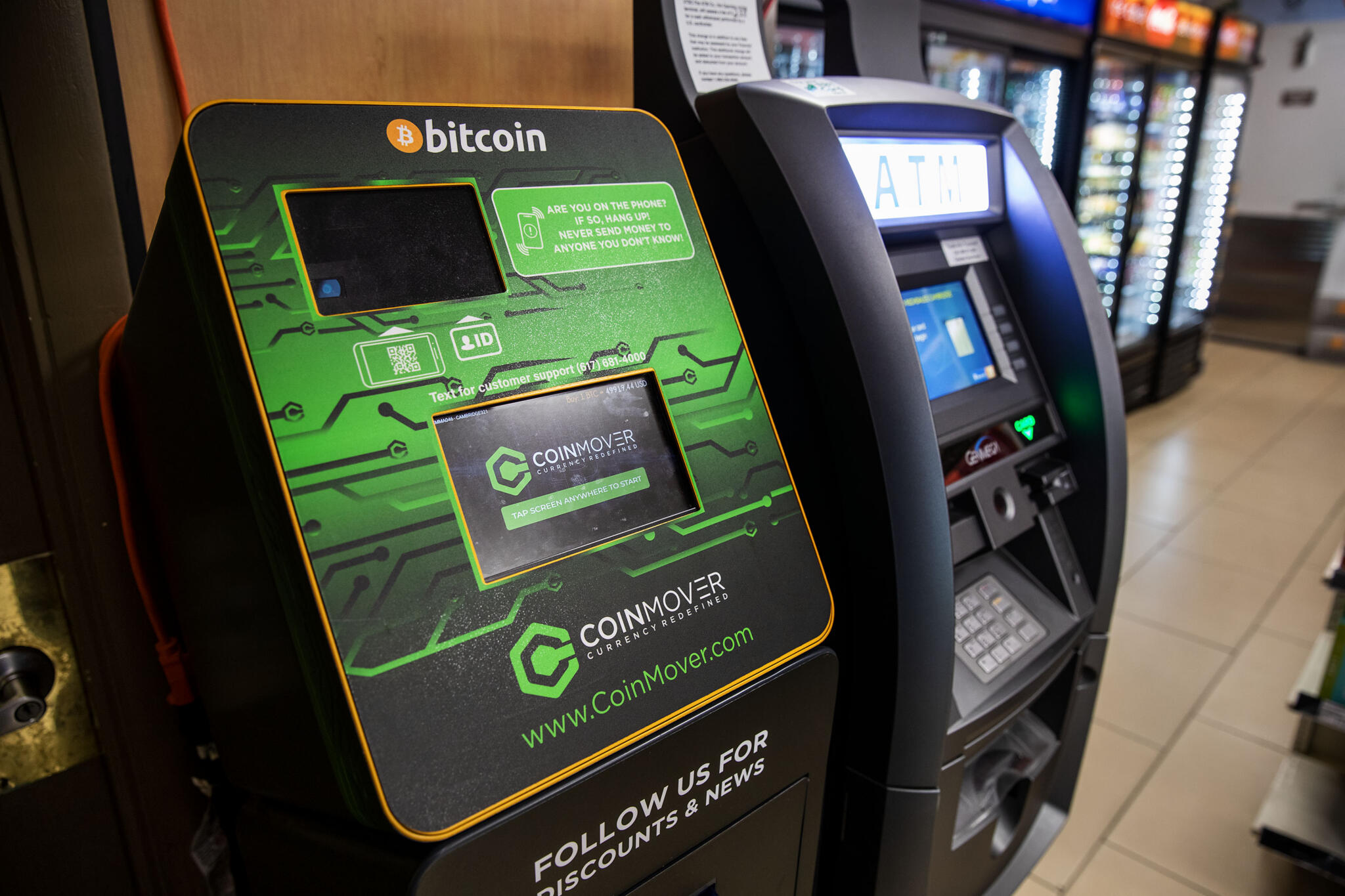
States and cities are taking quick action to ban cryptocurrency kiosks across their neighborhoods. Local leaders are stepping in because fraud and scams tied to these cash machines keep rising. Officials want to protect regular people from losing their hard-earned money to bad actors.
Why are cryptocurrency kiosks getting banned?
Many lawmakers worry about the growing link between physical kiosks and Cryptocurrency and crime. Tricksters often tell victims to deposit paper cash into these machines to solve a fake problem. Once the cash goes into the machine, it turns into digital coins and vanishes into private wallets. Victims quickly find out that their funds are gone for good.
Because of these issues, local governments are stepping up enforcement. City councils and state leaders are reviewing how these machines operate in grocery stores, gas stations, and malls. They believe that removing the machines removes an easy tool that scammers use every day.
What are cryptocurrency kiosks used for?
A kiosk looks like a standard bank cash machine, but it works directly with digital tokens. A user inserts paper bills and buys digital assets, or sells their coins for physical cash. Any regular person can interact with a Cryptocurrency network in just a few minutes through these terminals.
Here are a few quick facts about how people use these machines:
- Users feed cash into the machine to buy digital coins.
- The machine sends the tokens directly to a digital wallet address.
- People often use them without needing a traditional bank account.
- Transactions happen quickly and cannot be reversed by bank staff.
How this impacts everyday crypto users
People who use these kiosks for simple trades will need to find other ways to buy coins. Local shops might lose the small fee they earn from hosting the heavy boxes. Meanwhile, buyers will likely have to use regulated online apps instead of walking down the street with paper cash.
Supporters of the bans say that the safety of the public comes first. They point out that older adults and inexperienced buyers fall for high-pressure phone scams most often. Cutting off kiosk access makes it much harder for thieves to demand quick cash deposits on short notice.
What will happen next with these kiosk bans?
More towns and states are watching these first moves very closely. If these local bans successfully stop fraud numbers from growing, other regions will copy the laws. Machine operators may try to add stronger identity checks or warning screens to keep their businesses open.
For now, anyone who uses digital money should stay alert and watch local rules. Scammers always look for new ways to trick people, even without kiosks nearby. Keeping your funds safe means double-checking every request before you send any money anywhere.
Post a Comment
0Comments