

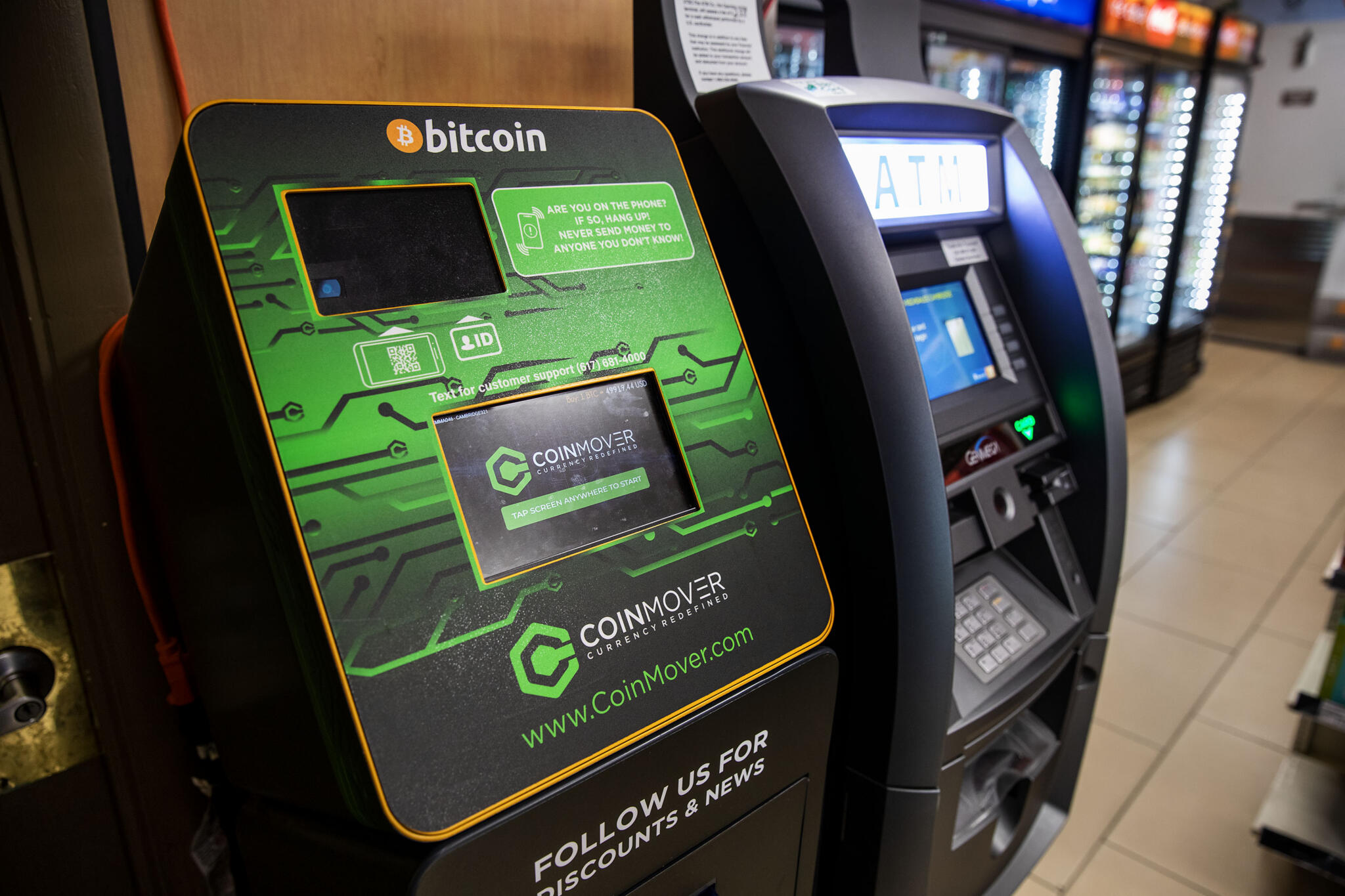
The Springfield City Council will consider a full ban on cryptocurrency kiosks. Local leaders want to stop scammers from tricking people into using these machines to send money. The goal is to shut down these physical machines across the entire city to protect local residents.
Why is Springfield banning cryptocurrency kiosks?
Many local leaders worry that cryptocurrency kiosks make it far too easy for criminals to steal funds. Bad actors often call regular citizens and pretend to work for the government or the police. They tell scared victims to take cash out of the bank right away. Then, they order them to deposit the money into a kiosk using digital tokens like Bitcoin.
Once a victim deposits cash into one of these machines, the transaction is finished. The money goes directly to the scammer within seconds. City officials in Springfield want to block this path entirely. They believe a total ban is the safest way to keep citizens safe from fast fraud schemes.
What this kiosk ban means for everyday users
A full ban changes how people in the city can buy and sell their digital coins. Many people like using physical kiosks because they work just like normal bank ATMs. If the city council votes yes, residents will have to change their habits.
- Shoppers will no longer see cash crypto kiosks in corner stores or gas stations.
- People who want to trade coins will need to sign up for safe online exchanges.
- Older residents will have fewer chances to fall for quick phone scams.
Without kiosks around the corner, casual users cannot just drop paper cash into a machine. They will need a bank account linked to an online app to trade instead. While this takes an extra step, it can also give buyers better tracking tools and more protection against fraud.
What happens next with the city council vote
The city council will review the plan and listen to feedback from the public. Business owners who make money by hosting these machines might share their thoughts on the ban. At the same time, law enforcement officers will likely explain how many scam reports they see each month.
If Springfield passes this rule, other nearby towns might decide to follow the same path. Regulators all over the country are trying to find ways to reduce street-level digital fraud. Springfield could set a strong example for how small cities handle scam risks without waiting for state or federal laws.
Post a Comment
0Comments